


Did ChatGPT save my life? Quite possibly.

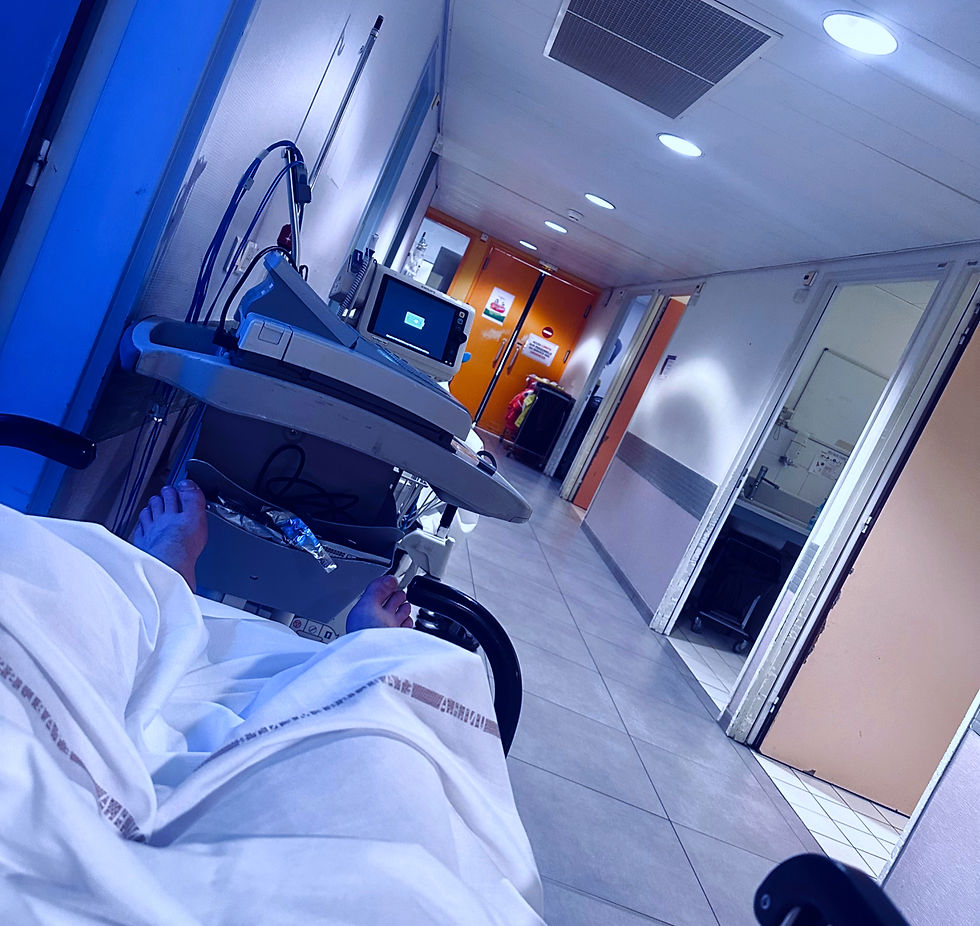
Two weeks ago, I started feeling what I assumed was just a mix of back pain and flu symptoms brought on by overwork and some intense wood-cutting over the weekend. I pushed through it, using ChatGPT occasionally to track how I was feeling, try to get a picture of what was going on, and find small ways to sleep better. Nothing seemed urgent. Just a difficult week, I told myself. And the tips from the AI were helping alleviate the symptoms, too.
Then I traveled to Corrèze to host a major debate. That’s when things got worse, new symptoms that were more alarming. I checked in with the AI again before catching my train home, and this time ChatGPT firmly insisted I should see a doctor or get medical imaging as soon as possible. I didn’t delay. I immediately booked a doctor’s appointment for the next day.
Once she had received the right data, ChatGPT sounded the alarm. And I listened.
By Wednesday, after the scan (slightly delayed), it was clear:
I needed immediate hospitalization. It was serious.
Doctors explained that the situation was likely triggered by a combination of two factors:
• long hours sitting and working intensely in recent weeks
• a recent COVID infection, which can aggravate underlying risks
I was admitted straight away, treated rapidly, and kept under observation for nearly a week. Thankfully, my recovery has been relatively quick and without complications.
So… did ChatGPT save me?
In short, yes. If I hadn’t kept checking in with the AI regularly, there may have been continued misunderstanding of my symptoms and further delay. It was a tricky situation — even the doctor I saw initially struggled to declare it an emergency.
But clearly, I wasn’t saved by ChatGPT alone.
I was saved by the excellent care I received from the diverse medical team at the hospital in Mantes-la-Jolie, and the “miracle medicine” made available to me. But AI did push me to act faster than I would have done myself. And here’s the uncomfortable truth I learned about myself:
My biggest risk wasn’t the condition, it was my instinct to downplay it.
I wasn't particularly isolated. I had regular calls with my partner and friends, met with peers at the event, but I didn’t want to make a fuss. I didn’t want to believe I was sick. And that nearly put me in danger.
ChatGPT helped me work through that — allowing continuous monitoring and better decisions while I slowly realized that yes… this was actually serious.
But let me be clear:
You cannot rely on AI alone for your health.
One thing this experience highlighted is the value of having a trusted human observe symptoms more objectively, so the information given to AI — and doctors — is accurate.
Unfortunately, I was alone that week, and that made this particular solution harder.
Four ways AI genuinely helped me this week
✅ Reading and interpreting medical documents in seconds
✅ Explaining treatment steps clearly and calmly
✅ Offering reassurance — at any hour of the day or night
✅ Practical guidance to stay safe while waiting for care
I don’t need convincing about the value of AI — I work with it daily. But this week proved something deeper:
AI isn’t replacing doctors; it’s helping patients take action sooner.
In a world where health systems are under immense pressure, that matters.
ChatGPT — or “Cat,” as I call her — has become a genuine ally in my life. She even helped me choose the right Apple Watch for recovery and long-term tracking (and will help me set it up too).
What now?
Right now, six days later, I'm at my computer, back to work. Apparently, next week I can even start back at the gym. Time to rethink my habits: work posture, long hours, physical activity…so this never happens again. An Apple Watch will be a good investment.
As I write this from home (discharged yesterday), I keep returning to one question:
If I’m not feeling right — how do I really feel?
And if, for some reason, you’re traveling for work or isolated, talk to the AI about your symptoms. It’s really a lot better than talking to no one.


Comments